A structured, documented approach to ingredient selection, supplier evaluation, production monitoring, and independent batch verification. Every stage is recorded, numbered, and archived in the Cradeon lot system.
Ingredient candidates are identified through a review of published nutritional literature. Only ingredients with documented nutritional roles and established dietary reference values are considered for inclusion in Cradeon formulations.
For each approved ingredient, the bioavailable form with the most consistent absorption data in peer-reviewed literature is selected. Form rationale is documented in the ingredient dossier alongside the relevant published references.
Serving amounts are calibrated against the EU Regulation 432/2012 reference intakes and published dietary reference values for the relevant population group. Amounts are set to provide meaningful nutritional contribution without exceeding established upper tolerable intake levels.
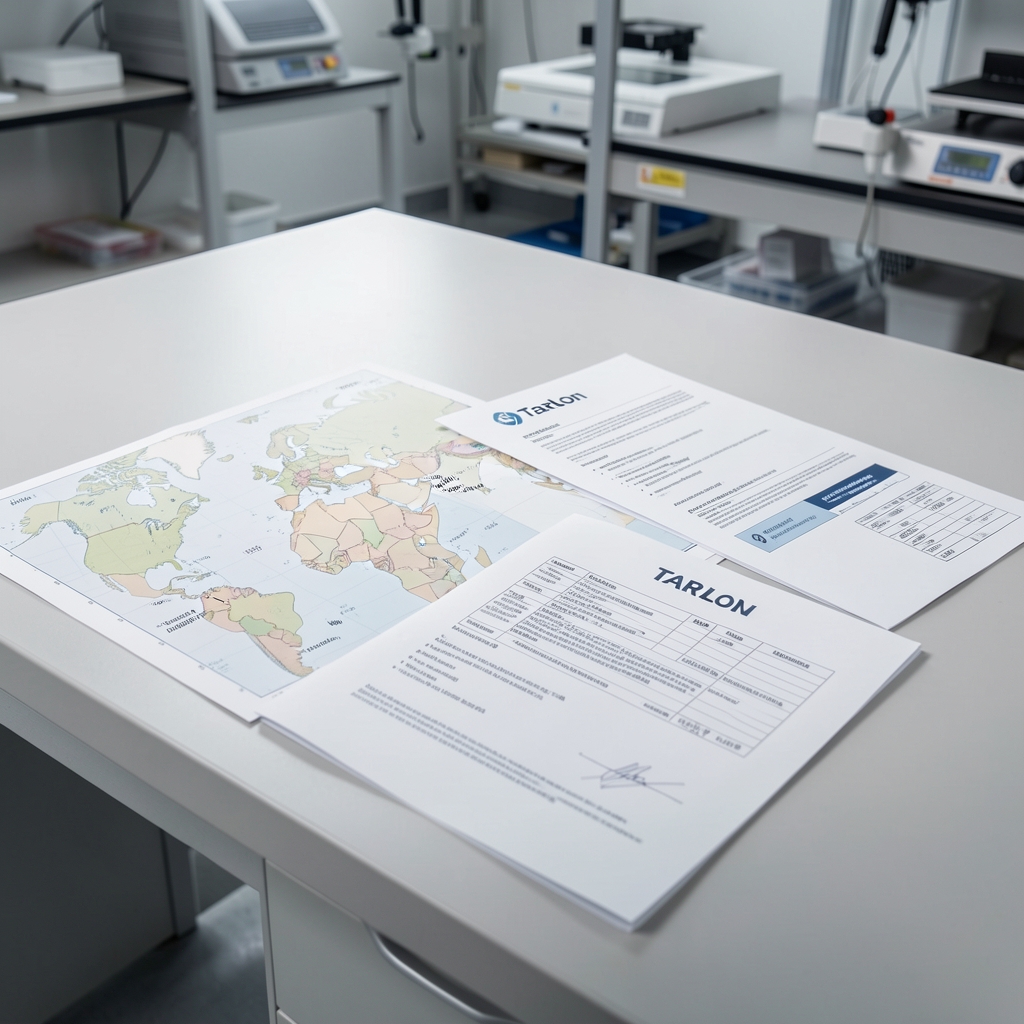
Active ingredients are sourced from documented suppliers, with each batch accompanied by a certificate of composition. Sourcing prioritises suppliers whose facilities maintain food-grade processing standards. Supplier audits are conducted at defined intervals.
Each incoming ingredient batch is tested against the supplier certificate before entering the production facility. Entry testing covers elemental concentration, moisture, and microbial limits. Non-conforming batches are rejected and returned to the supplier with a deviation report.
Blend uniformity and capsule fill weight are monitored at defined intervals during each encapsulation run. A dedicated in-process monitoring log is maintained for every production run, referencing the lot code assigned at the start of each batch.
A retained sample from each finished lot is submitted to the independent verification laboratory. The resulting certificate of composition is filed in the Cradeon lot archive alongside all production records. The lot is released only after the certificate is received and filed.
Documented process stages per production lot
Independent verification checkpoints per batch
Lot records archived before product release
Maximum documentation request response time
Active ingredients are sourced from documented suppliers, with each batch accompanied by a certificate of composition. Sourcing prioritises suppliers whose facilities maintain food-grade processing standards. Supplier selection is a documented process with defined criteria and a review cycle.
The Cradeon supplier file records the origin region, facility classification, and the most recent certificate of analysis for each active ingredient in the range. The file is updated at each batch entry and reviewed annually.
SOURCING CRITERIA — MINIMUM REQUIREMENTS
EUROPE
Zinc gluconate, selenium L-selenomethionine, Vitamin K2 MK-7 sourced from European food-grade suppliers with multi-year supply records.
ASIA-PACIFIC
Magnesium bisglycinate and ascorbic acid sourced from Asia-Pacific region suppliers with documented food-grade processing classification.
MULTI-REGION
B-vitamin complex components sourced from dual-region approved supplier pool. Secondary source qualification maintained for continuity.
Ingredient profiles in Cradeon supplements are selected based on published nutritional research and undergo independent batch verification for quality and labelling accuracy. The independent laboratory is not affiliated with Cradeon and has no commercial interest in the outcome of the analysis.
Analysis methods vary by ingredient type. Mineral concentrations (zinc, magnesium, selenium, iron, chromium) are determined by inductively coupled plasma mass spectrometry (ICP-MS), which provides elemental identification and quantification at trace levels. Fat-soluble vitamins (D3, K2, CoQ10) are analysed by high-performance liquid chromatography (HPLC). Water-soluble vitamins (B-group, C) are analysed by a combination of HPLC and titration methods per the relevant reference standard.
Each finished product lot is identified by a unique batch code (format: TLN-YY-XXX). This code appears on the product label, in the production record, and on the independent certificate of composition. The three documents are cross-referenced and filed together in the lot archive.
Certificates of composition are available to customers upon written request. The request should include the batch code from the product label. The Cradeon documentation team will confirm receipt and dispatch the relevant certificate within two working days.
ICP-MS ANALYSIS
Mineral Elements
Zinc, magnesium, selenium, iron, chromium — elemental concentration quantified per declared amount per serving. Results reported against specification range.
HPLC ANALYSIS
Fat-Soluble Vitamins & CoQ10
Vitamins D3, K2 (MK-7 isomer specific), and CoQ10 (ubiquinol vs. ubiquinone ratio) — separated and quantified by reverse-phase HPLC with UV detection.
HPLC / TITRATION
B-Group & Vitamin C
B-vitamin series quantified by HPLC with appropriate reference standards. Vitamin C (ascorbic acid) confirmed by iodometric titration per reference method.
MICROBIAL LIMITS
Finished Product Screen
Total aerobic count, yeast and mould, and absence of specified organisms tested per food-supplement specification. Results reported on the certificate of composition.
Every production lot generates a bundle of records that is assigned a unique revision code and filed in the Cradeon lot archive. The archive is structured to allow retrieval by lot code, ingredient name, production date, or series designation.
Archive entries are numbered sequentially. Each entry includes: the production run record, raw material entry results, in-process monitoring log, and the independent certificate of composition. Revision codes are assigned when a formulation specification is updated; the prior version remains in the archive alongside the current version.
The archive is maintained at the Jakarta facility. Customers and qualified wellness professionals may request access to specific lot documentation by contacting [email protected].
LOT CODE FORMAT
TLN-YY-XXX
Year + sequential 3-digit run number
REVISION CODE FORMAT
XX-N
Series identifier + version number
Cradeon products are nutritional food-supplements registered with the applicable local regulatory authority under food-supplement classification. Products meet compositional and labelling requirements for nutritional supplement categories.
All nutritional claims included on Cradeon product labels and in product communications correspond to authorised nutrient function claims published in the applicable regulatory reference list. Claims are limited to those for which the relevant ingredient is present at or above the required minimum amount per serving.
Product labels include the full ingredient declaration, the declared amount of each active ingredient per serving, the recommended serving amount, and the regulatory notification number. Labels are reviewed and updated at each formulation revision. The current label version is noted in the lot archive.
We recommend speaking with a qualified wellness or nutrition professional before introducing any supplement to your daily routine, particularly if you have specific dietary requirements.
CLASSIFICATION SUMMARY
Nutritional food-supplement — registered under food-supplement regulatory framework
Authorised nutrient function claims only, per applicable regulatory reference list
Full ingredient declaration, serving amount, regulatory notification number included
Label and claims reviewed at each formulation revision; revision date noted in lot archive
Detailed questions about Cradeon's formulation process, verification procedures, and documentation standards are addressed below.
The complete Cradeon methodology document, including supplier origin records, verification protocols, and the most recent lot archive summary, is available on written request. Contact the documentation team to arrange access.